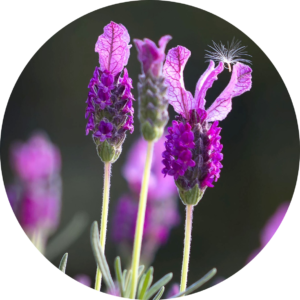
Lavender is a bushy, strong-scented perennial plant from the Mediterranean. In warmer regions, its gray to green foliage stays evergreen throughout the year, and the herb thrives in some of the toughest of garden condition. Here’s how to plant, grow, and harvest lavender in the garden.
Prized for its fragrance, medicinal properties, and beautiful bluish-purple color, Lavandula angustifolia is a valued plant across the world. It also attracts pollinators to the garden.
The plant is not picky and will survive in a wide range of soil, even poor soil. (It grows in the Mediterranean in craggy crevices!) Its main requirements are lots of sun and also good drainage.
Plant lavender along the entrance to your door, or near a seating area, or at the base of roses bushes to hide their sticky “legs” in the wintertime.
PLANTING
WHEN TO PLANT
- Lavender is best planted as a young plant in the spring as the soil is warming up.
- If planting in the fall, use larger, more established plants to ensure survival through the winter.
CHOOSING AND PREPARING A PLANTING SITE
- Lavender thrives in most soil qualities, from poor to moderately fertile.
- If you have compacted or clay soil, add some organic matter to improve drainage. Learn more about soil amendments and preparing soil for planting.
- Keep away from wet, moist areas, which could encourage root rot.
PLANTING LAVENDER
- Lavender isn’t easy to grow from seed; buy small starter plants from a garden nursery. Or, you can try taking a cutting from a mature plant. You can take a softwood cutting of several inches in the spring or later in the year when stems are more mature.
- Plant lavender 2 to 3 feet apart. Plants typically reach between 1 and 3 feet in height.
- Add mulch (rock or pea gravel work particularly well) to keep weeds to a minimum. Keep the mulch away from the crown of the lavender plant, however, to prevent excess moisture and root rot.